
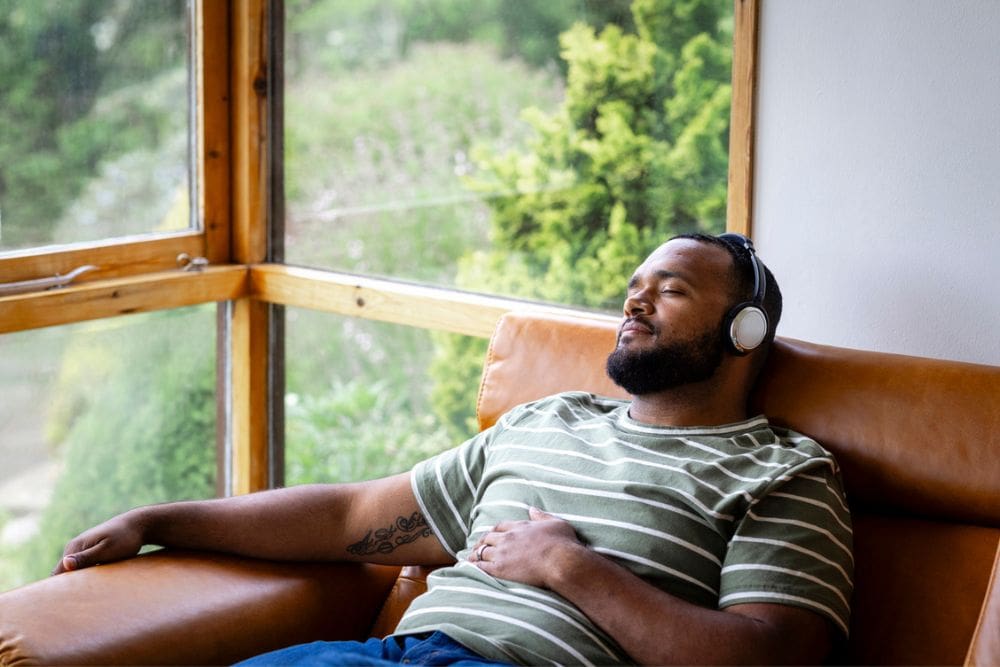
Some days, it feels like your mind never gets a break. One thought turns into ten. You replay conversations, worry about tomorrow, think about everything you haven’t finished, and before you know it, you’re mentally exhausted.
If this sounds familiar, you’re not alone. A racing mind is something many people experience, especially during stressful seasons of life. The good news is that mindfulness can help you slow down, even if your thoughts don’t disappear overnight.
Why Your Mind May Feel Like It’s Racing
A busy mind usually isn’t random. It’s often your brain trying to protect you or solve problems—even when it isn’t helpful.
Your thoughts may race because of:
- Anxiety that keeps you focused on “what if” scenarios
- Ongoing stress from work, school, relationships, or finances
- Feeling overwhelmed by too many responsibilities
- Poor sleep, which makes it harder to regulate emotions and think clearly
- Major life changes, grief, or uncertainty
When your brain stays in a constant state of alert, it can become difficult to relax or stay present. Instead of feeling calm, your thoughts jump from one concern to the next. Anxiety and chronic stress can also make racing thoughts feel more intense over time.
What Mindfulness Really Means
Mindfulness isn’t about forcing your mind to become completely quiet. It’s about paying attention to what’s happening right now without judging yourself for it.
You’ll still have thoughts. The difference is that you learn to notice them without getting pulled into every single one.
Simple Ways to Slow Down Your Thoughts
You don’t need an hour of meditation to experience the benefits of mindfulness. Small moments throughout your day can make a meaningful difference.
Try these simple practices:
- Focus on your breathing. Take a slow breath in through your nose for four counts, then exhale for six. Repeat for a few minutes while paying attention only to your breath. Need some guidance? Try an app such as Calm to help you get started.
- Use your senses. Pause and notice five things you can see, four you can touch, three you can hear, two you can smell, and one you can taste. This grounding exercise gently brings your attention back to the present.
- Take a mindful walk. Instead of scrolling on your phone, notice the feeling of your feet touching the ground, the sounds around you, or the breeze on your skin.
- Write your thoughts down. If your mind feels crowded, spend five minutes journaling. Just getting your thoughts onto paper can help create mental space.
- Give yourself permission to pause. Even sixty seconds of slowing your breathing before a meeting, while sitting in your car, or before bed can help interrupt the cycle of racing thoughts.
Bringing Mindfulness Into Everyday Life
You can practice being mindful while drinking your morning coffee by noticing its warmth and flavor instead of rushing through it. You can be mindful while washing dishes by paying attention to the water, the movement of your hands, or your breathing. Even waiting in line can become an opportunity to check in with yourself rather than immediately reaching for your phone.
These small moments help train your brain to spend less time living in the past or worrying about the future.
Why Mindfulness Matters in Recovery
Practicing mindfulness consistently won’t eliminate stress, but it can change how you respond to it. By helping you slow down, notice your thoughts and feelings, and create space between emotions and actions, mindfulness can become a valuable tool for building resilience and making healthier choices.
Many people find that mindfulness helps them:
- Feel calmer during stressful moments
- Reduce anxious thinking
- Improve focus and concentration
- Sleep more peacefully
- Build greater awareness of their emotions
- Respond instead of reacting impulsively
For people in addiction recovery, mindfulness can provide additional support by increasing awareness of cravings, triggers, and emotional patterns. Learning to pause and observe difficult thoughts or feelings without immediately acting on them can help strengthen coping skills and support long-term recovery. Over time, mindfulness can help individuals develop greater self-compassion, improve emotional regulation, and stay more connected to their recovery goals.
Over time, these small changes can support better emotional well-being, strengthen recovery efforts, and make it easier to cope with life’s challenges.
Find Support When You Need It
If racing thoughts, stress, or overwhelming emotions are making it difficult to get through the day, affecting your relationships, disrupting your sleep, or making it harder to stay focused on your recovery, you don’t have to face it alone. While mindfulness and healthy coping strategies can be powerful tools, there are times when professional support can provide the guidance and care needed to move forward.
At Twin Lakes Recovery Center in Monroe, GA, we’re here to help you take that next step toward healing. Our compassionate team provides personalized support for individuals facing addiction and mental health challenges, helping you build the skills, confidence, and foundation needed for lasting recovery.
Reach out to us today to learn how we can help you find hope, strengthen your recovery, and move forward with confidence.